
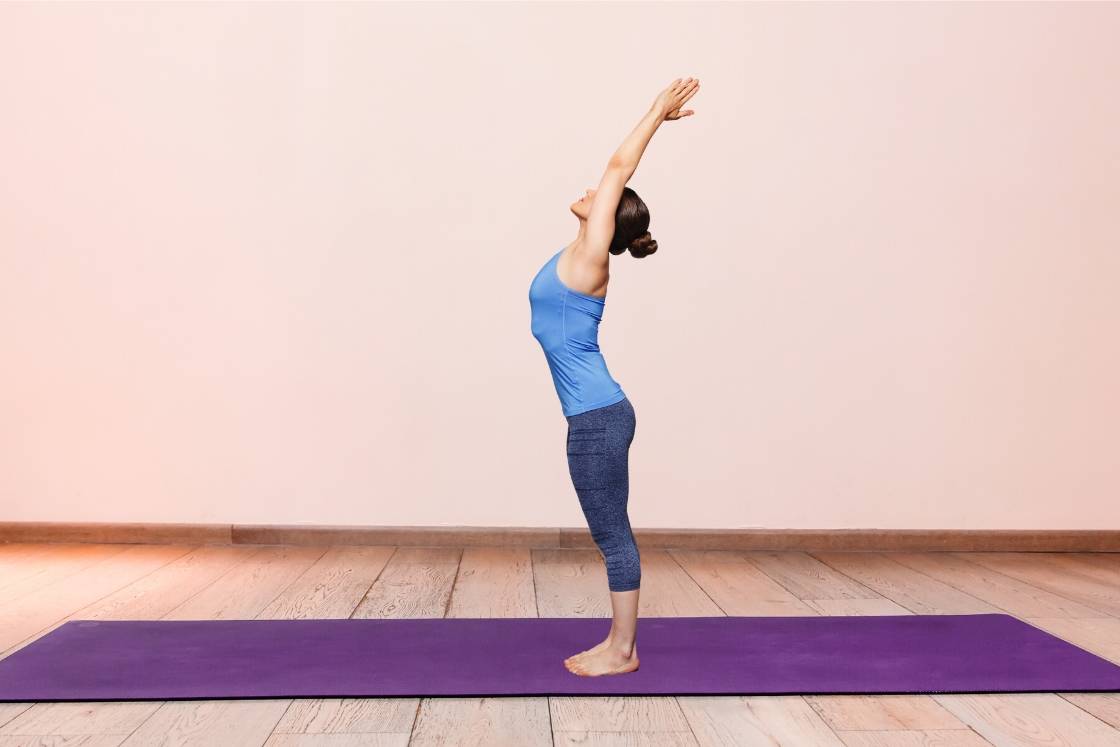
Joint stiffness and muscle discomfort are often seen as unavoidable parts of ageing, but recent wellness research suggests otherwise. The practice of bikram yoga, with its structured heat and movement sequence, is proving to be an effective natural therapy for maintaining flexibility, strengthening supporting muscles, and reducing pain associated with early arthritis. For seniors and middle-aged adults in Singapore who wish to stay active, Bikram Yoga provides a practical, restorative approach that supports mobility and functional strength without the impact of high-intensity workouts.
Understanding Joint Mobility and Ageing
As we age, the synovial fluid that lubricates joints begins to decrease, leading to stiffness and reduced range of motion. Collagen production also declines, affecting cartilage elasticity. Over time, this can develop into early arthritis, a condition characterised by inflammation, pain, and limited mobility. Regular physical activity can slow this process, but not all exercises are suitable for ageing joints.
Bikram Yoga stands out because it combines gentle stretching with sustained heat exposure, which enhances circulation to the joints and soft tissues. The warmth allows muscles and ligaments to elongate more easily, reducing the risk of injury while promoting smoother joint movement. This makes it ideal for individuals who wish to stay fit without aggravating existing conditions.
The Therapeutic Effect of Heat on Joints
The 40°C temperature in a Bikram studio serves more than just a physical challenge—it’s a therapeutic environment. Heat increases blood flow, delivering oxygen and nutrients to joint tissues that are often undernourished due to limited movement. This improved circulation helps reduce stiffness and promotes faster healing in micro-tissues.
In cases of early arthritis, warmth also supports the dilation of blood vessels around the affected joints, which decreases inflammation and pain. Regular exposure to this gentle, controlled heat teaches the body to relax even under mild stress, reducing chronic tension that contributes to discomfort.
Synovial Fluid Activation
Synovial fluid acts as the body’s internal joint lubricant. As movement and heat combine during Bikram sessions, this fluid becomes more viscous, allowing for smoother joint motion. Many practitioners report that stiffness decreases significantly after several weeks of consistent practice, particularly in the hips, knees, and shoulders.
The enhanced mobility gained from this process helps prevent further joint deterioration by ensuring that cartilage surfaces remain nourished and functional.
Bikram Yoga vs Traditional Physiotherapy
While physiotherapy is commonly prescribed for arthritis and mobility challenges, Bikram Yoga complements it by addressing both physical and mental dimensions simultaneously. Physiotherapy often isolates movement patterns, but Bikram’s holistic approach integrates strength, balance, and flexibility across the entire body. Each of the 26 postures contributes to joint stability while improving coordination and posture alignment.
For example, postures like Triangle Pose and Standing Head to Knee engage multiple joints at once, strengthening surrounding muscles and ligaments. This full-body engagement ensures that the joints are supported by evenly conditioned muscle groups, reducing strain and improving endurance.
Enhanced Mind-Body Awareness
A key difference between Bikram and conventional exercise lies in its focus on internal awareness. The controlled breathing and slow pacing teach practitioners to move with mindfulness, reducing the likelihood of overexertion. This mental discipline allows individuals with mobility issues to work within their safe range while gradually improving flexibility and strength.
The Role of Muscle Support in Joint Health
Healthy joints depend heavily on surrounding muscle strength. Weak muscles can place excessive pressure on bones and connective tissues, accelerating degeneration. Bikram Yoga addresses this by strengthening stabilising muscles without high impact. The static nature of each posture requires continuous muscular engagement, particularly in the legs, core, and back.
Over time, this controlled tension increases endurance and muscle tone, creating a natural brace for the joints. For individuals managing early arthritis, this means less pain during movement and greater stability during daily activities.
Improving Balance and Coordination
Ageing often affects proprioception—the body’s ability to sense its position and maintain balance. Many Bikram poses, such as Eagle Pose or Standing Bow, challenge equilibrium, stimulating the small stabiliser muscles and neural pathways that control coordination. This helps older adults regain balance confidence, which reduces fall risk and enhances overall mobility.
In Singapore, where active ageing initiatives are growing, this balance training is particularly valuable for seniors seeking independence and quality of life.
Inflammation Management Through Consistent Practice
Chronic inflammation is a primary driver of arthritis-related discomfort. Bikram Yoga helps manage inflammation naturally through circulation enhancement and stress reduction. The deep breathing techniques activate the parasympathetic nervous system, which lowers stress hormones that contribute to inflammation.
In addition, the combination of movement and sweating promotes detoxification, flushing out metabolic waste that can accumulate in joint tissues. Over time, practitioners experience reduced swelling and improved comfort during movement.
The Stress-Inflammation Connection
Psychological stress often amplifies joint pain. When the body is tense, muscles contract and compress joints, leading to stiffness. Bikram’s meditative rhythm trains the body to release this tension consciously. The focus on breath and posture alignment helps practitioners maintain calmness even during challenging poses. This mental shift translates to lower inflammation markers and a more positive pain perception.
How Bikram Yoga Benefits Ageing Muscles
Ageing muscles tend to lose elasticity and strength due to reduced collagen synthesis and slower recovery. The controlled heat in Bikram sessions supports muscular flexibility by warming the fibres deeply, allowing for a full range of motion without strain. This elasticity improves not only mobility but also posture and circulation.
The steady contraction and release during postures promote better nutrient delivery to muscle tissues. This process rejuvenates ageing muscle cells and delays fatigue, enabling older adults to remain active longer.
Preventing Muscle Atrophy
For individuals who have reduced physical activity due to arthritis or sedentary routines, muscle atrophy becomes a concern. The isometric holds in Bikram Yoga stimulate muscle fibres without requiring sudden movements or heavy impact. This helps maintain muscle density and joint stability, protecting against further decline in mobility.
Safety Guidelines for Older Adults and Beginners
While Bikram Yoga offers numerous benefits, certain precautions should be followed, especially for seniors or those with existing joint conditions:
-
Consult a medical professional before starting if diagnosed with arthritis or joint replacement history.
-
Begin with shorter sessions or take breaks during challenging poses.
-
Stay hydrated before, during, and after class to avoid dehydration.
-
Wear light, moisture-wicking clothing suitable for the heat.
-
Listen to the body and avoid forcing any movement beyond comfort levels.
-
Use yoga mats with extra grip for safety and stability.
Adhering to these guidelines ensures that each class remains safe and restorative rather than strenuous.
The Singapore Perspective: Ageing with Agility
Singapore’s ageing population is increasingly focused on wellness practices that support long-term independence. Bikram Yoga aligns with this goal by offering a non-invasive, sustainable method for maintaining physical function and vitality. Many studios now cater to senior-friendly schedules, with trained instructors guiding participants through modified postures suitable for all levels.
As local awareness grows, Bikram Yoga is becoming part of preventive health routines for middle-aged and senior adults. This proactive approach helps reduce the reliance on medication and preserves mobility well into later years.
Community and Motivation
Community motivation plays a big role in sustaining healthy habits. Studios such as Yoga Edition foster a supportive environment that encourages consistency and confidence. Practising alongside others with similar goals provides encouragement and accountability, which are essential for maintaining progress in mobility and joint care.
Practical Tips for Improving Joint Flexibility Through Bikram Yoga
-
Stay consistent. Practise at least two times per week to maintain flexibility and reduce stiffness.
-
Focus on breathing. Controlled breathing reduces joint tension and aids endurance.
-
Warm up properly. Start with gentle stretches before class to prepare the joints.
-
Mind your posture. Alignment is crucial to avoid overloading weak joints.
-
Hydrate adequately. Proper hydration ensures joint lubrication and reduces inflammation.
-
Incorporate rest days. Allow muscles and tissues to recover between sessions.
These steps ensure that the body benefits fully while avoiding overexertion or strain.
A Holistic Path to Joint Longevity
Bikram Yoga does more than stretch muscles—it trains the body and mind to work in harmony. By improving circulation, strengthening stabilising muscles, and calming the nervous system, it builds a foundation for lasting joint health. For older adults managing early arthritis or stiffness, it offers both relief and empowerment, proving that mobility can be restored naturally through dedication and awareness.
This practice isn’t just about enduring the heat but embracing it as a tool for healing and vitality. As the body adapts, movement becomes smoother, energy levels rise, and daily tasks feel lighter—a sign that true mobility has been reclaimed.
Real-Life FAQs
1. Can Bikram Yoga reverse arthritis?
It cannot cure arthritis but can significantly reduce pain, stiffness, and inflammation while improving mobility through consistent practice.
2. How often should seniors practise to see benefits?
Two to three sessions per week are ideal for noticeable improvements in joint flexibility and muscle tone.
3. Is Bikram Yoga safe for knee or hip replacements?
Yes, with medical clearance and under proper instructor supervision. Modified poses can ensure safety while maintaining benefits.
4. What are the early signs of improved joint mobility?
Less stiffness in the morning, easier movement during daily tasks, and improved posture are common early indicators.
5. Can Bikram Yoga help prevent falls among the elderly?
Yes, by improving balance, coordination, and leg strength, it reduces fall risk significantly.
6. How does heat help joint pain relief?
Heat enhances blood circulation, which reduces stiffness and soothes inflamed tissues surrounding the joints.
7. Should I take breaks during class if I feel dizzy or tired?
Absolutely. Sitting or lying down briefly helps the body adjust to heat and prevents overexertion.

