
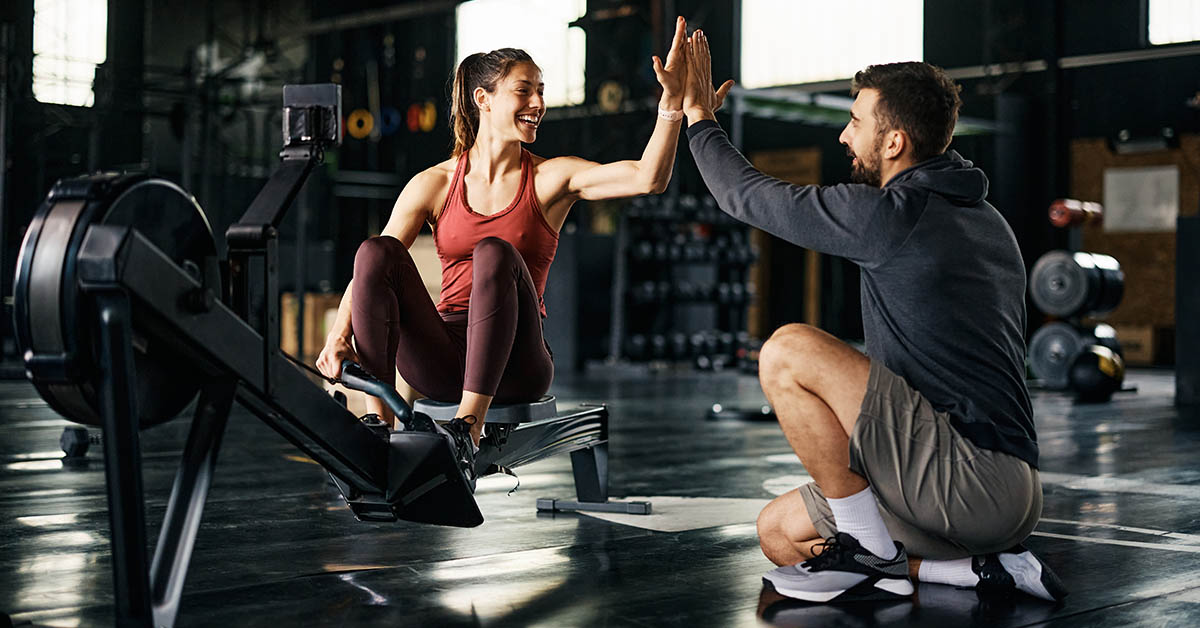
In today’s health-conscious Singapore, fitness is no longer limited to a specific age group. From energetic teenagers to retirees aiming for mobility and longevity, everyone can benefit from guided exercise. A personal training gym Singapore provides customised fitness solutions designed to match different stages of life, helping individuals achieve their goals safely and effectively. These gyms blend professional coaching with tailored programs that evolve alongside the body’s changing needs, ensuring that fitness remains both achievable and enjoyable at any age.
The Need for Age-Appropriate Fitness
Each stage of life brings unique physical demands and challenges. Teenagers focus on building strength and coordination, adults often prioritise weight management and performance, while seniors aim to preserve mobility and independence. A personal trainer understands these differences and adjusts intensity, technique, and recovery accordingly.
Age-appropriate fitness ensures that training supports health rather than strains it. In Singapore’s fast-paced lifestyle, where people of all ages face work, study, or family-related stress, having expert guidance ensures exercise remains sustainable, effective, and safe.
Teenagers: Building a Strong Foundation
For teenagers, fitness training helps lay the groundwork for lifelong health. It’s not just about building muscle but also about learning proper movement mechanics. Trainers working with teens focus on improving posture, flexibility, and coordination while instilling discipline and confidence.
Some key training goals for teenagers include:
-
Developing balanced muscle strength through bodyweight exercises
-
Enhancing coordination and stability
-
Learning correct lifting techniques to avoid injuries
-
Building self-esteem and consistency through achievable milestones
Trainers also ensure that sessions remain fun and motivating, encouraging young people to view exercise as a lifestyle rather than a chore.
Young Adults: Performance and Aesthetics
In their 20s and 30s, many individuals train to improve physique, boost energy, or enhance athletic performance. This age group typically has the physical capacity to handle higher training intensities. Personal trainers design programs that optimise strength, endurance, and aesthetics while balancing recovery to avoid burnout.
Key components for young adult programs include:
-
High-intensity interval training (HIIT) for efficient calorie burning
-
Compound strength exercises like squats, presses, and deadlifts
-
Core stability drills for posture and injury prevention
-
Personalised nutrition guidance to complement workouts
These sessions not only shape the body but also build the mental focus and resilience needed to balance fitness with demanding work or study schedules.
Middle Age: Balancing Health, Career, and Recovery
As individuals reach their 40s and 50s, metabolism tends to slow, muscle mass declines, and recovery takes longer. This stage of life requires a smarter, more strategic approach to fitness. Trainers focus on maintaining lean muscle, supporting joint health, and managing stress through sustainable routines.
Common program elements include:
-
Moderate resistance training to preserve muscle tone
-
Functional movements to improve balance and coordination
-
Cardio sessions that protect heart health without overexertion
-
Recovery techniques like stretching, foam rolling, and proper hydration
Personal trainers also address hormonal and lifestyle changes, helping clients adapt exercise and nutrition to maintain vitality and prevent weight gain.
Seniors: Strengthening for Longevity
For older adults, the focus shifts toward maintaining independence, mobility, and balance. Contrary to popular belief, strength training is extremely beneficial for seniors. Trainers at Singapore’s personal training gyms use safe, low-impact exercises that build bone density and improve joint stability.
Senior fitness programs often include:
-
Light resistance training with bands or machines
-
Balance drills to prevent falls
-
Flexibility and stretching exercises
-
Low-impact cardio such as walking or cycling
These routines not only enhance physical health but also support mental well-being by improving mood and confidence. Regular exercise under supervision can help manage conditions like arthritis, high blood pressure, and diabetes safely.
The Importance of Functional Fitness Across Ages
Regardless of age, functional fitness plays a key role in personal training. Functional exercises mimic natural movements like bending, twisting, or reaching, improving performance in everyday activities. Trainers tailor these exercises to each client’s age and capability, ensuring they remain agile, strong, and independent.
Examples of functional movements include:
-
Squats for standing up and sitting down easily
-
Rows and presses for lifting and carrying items safely
-
Balance exercises for coordination and stability
-
Mobility drills for better joint flexibility
These foundational movements create resilience for life’s daily demands, helping clients move comfortably and confidently.
How TFX Encourages Lifelong Fitness
At TFX, the philosophy of fitness for all ages is deeply rooted in its personalised training approach. Trainers understand that each client has different goals, limitations, and motivations. Their programs evolve over time, adapting to changing physical needs while maintaining enthusiasm for training.
TFX offers a supportive environment where members can work at their own pace, guided by experienced professionals. Whether it’s helping a young athlete improve agility or an older adult regain confidence in movement, the focus remains on sustainable progress and overall well-being.
Integrating Health Education and Awareness
Personal trainers don’t just design workouts—they educate clients about body mechanics, nutrition, and self-care. This education empowers clients to make informed decisions about their health.
For example, understanding the importance of protein intake supports muscle growth at any age, while learning about hydration and joint care helps older adults stay active. Trainers also promote awareness about sleep, stress, and posture, all of which directly influence physical performance.
Overcoming Common Age-Related Barriers
One major advantage of personal training is overcoming barriers that often discourage people from starting. For instance:
-
Teenagers may feel intimidated by gym settings. Trainers build confidence gradually.
-
Adults often lack time. Trainers create efficient, time-saving programs.
-
Seniors may worry about safety. Trainers supervise every move closely to prevent injury.
These tailored strategies make fitness accessible and enjoyable for everyone, regardless of age or experience level.
The Emotional Benefits of Training Across Ages
Physical benefits are only part of the story. Personal training also enhances emotional well-being. Teenagers build self-image, adults reduce work stress, and seniors experience a sense of accomplishment and independence.
Regular training releases endorphins that boost mood and reduce anxiety. The community aspect of gyms in Singapore also fosters friendships and motivation, creating a positive, encouraging atmosphere.
Lifelong Consistency: The True Goal of Personal Training
The ultimate aim of personal training is to make fitness a lifelong habit. Trainers guide clients toward routines that fit naturally into their lifestyles. Instead of extreme transformations, the emphasis is on steady improvement, self-awareness, and balance.
When training becomes part of one’s identity rather than an obligation, consistency follows effortlessly. Over time, fitness evolves from a goal into a lifestyle.
FAQs
1. Is it safe for seniors to start personal training?
Yes. Trainers customise programs to suit individual fitness levels, medical history, and mobility, ensuring every session is safe and beneficial.
2. How often should teenagers or young adults train?
Two to three sessions a week are ideal for building strength and forming consistent habits. Trainers adjust frequency based on goals and availability.
3. Can adults in their 40s or 50s still gain muscle and lose weight?
Absolutely. With the right mix of resistance training, nutrition, and rest, adults can build lean muscle and maintain a healthy metabolism.
4. How do personal trainers modify exercises for different ages?
They adjust intensity, load, and recovery time while focusing on correct technique. Each program is tailored to the individual’s condition and goals.
5. What’s the most important benefit of lifelong fitness training?
Consistency improves physical strength, mental well-being, and overall quality of life, allowing individuals to stay active, independent, and confident at every stage.
No matter your age or fitness level, a personal training gym in Singapore can provide the structure, expertise, and motivation to help you move better, feel stronger, and live healthier—today and for years to come.

