
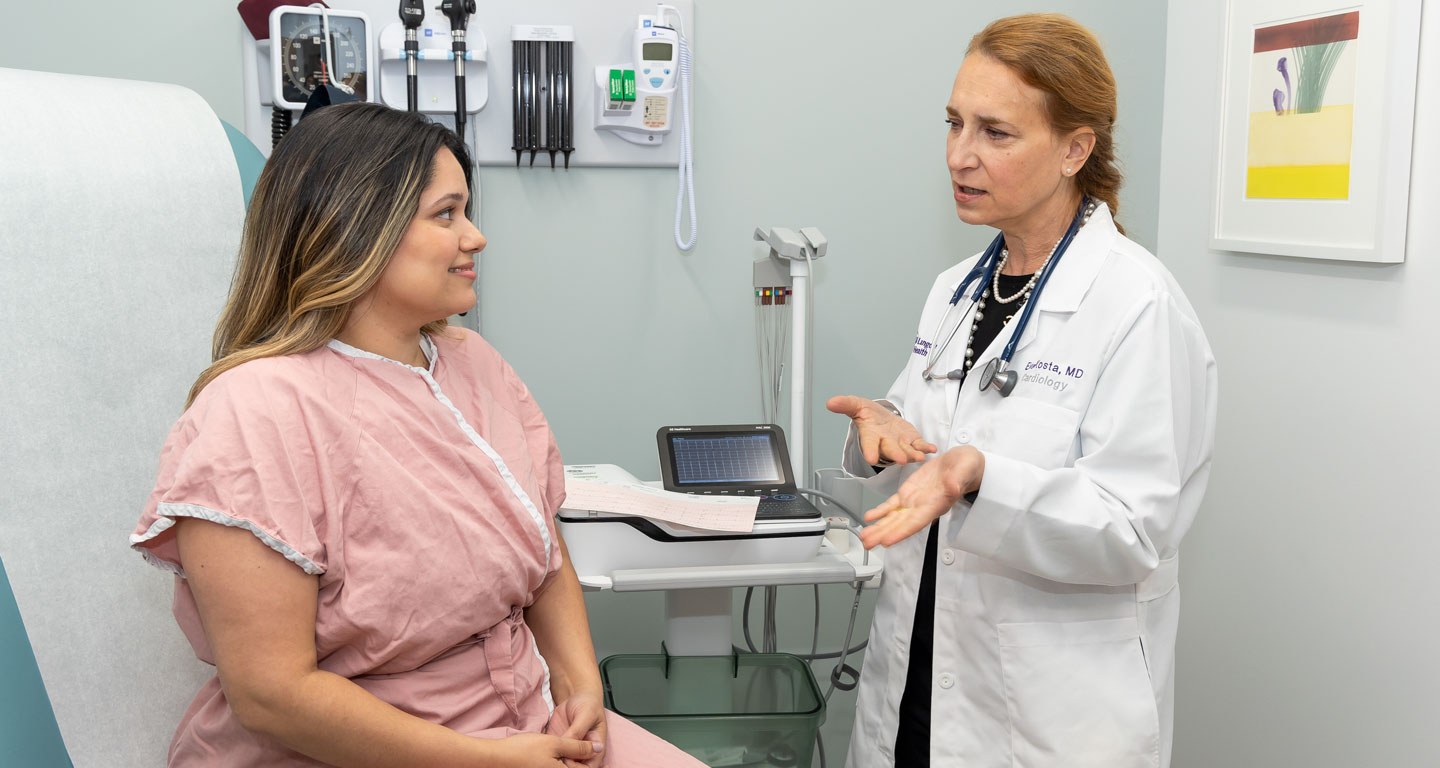
Introduction: Reframing the Dialogue Around Women’s Health
Women’s health is a subject long examined, yet often misunderstood. For generations, it was viewed narrowly—primarily through the lens of reproduction and maternal roles. But as society evolves and medical understanding deepens, it becomes clear that women’s health encompasses far more than gynecological visits and pregnancy care. It is an intricate tapestry of biological, emotional, social, and cultural elements, each deserving equal attention.
To approach women’s health with the depth it merits is to understand that wellness is not merely the absence of disease—it is the presence of vitality, autonomy, balance, and access to compassionate care. A woman’s body carries unique rhythms and responsibilities. Her health is influenced not only by hormones but also by her environment, economic standing, mental well-being, and the very systems that are meant to protect her. In this article, we delve into the broader and more nuanced dimensions of women’s health, celebrating its complexity and advocating for its rightful place at the heart of healthcare.
The Unique Physiology of the Female Body
A woman’s body functions according to patterns distinct from those of her male counterparts. These biological differences must be understood not as limitations, but as characteristics that necessitate tailored care.
Key Areas of Focus:
-
Hormonal Architecture: Hormones such as estrogen and progesterone regulate far more than fertility. They influence bone density, cardiovascular function, skin integrity, and emotional health.
-
Reproductive Milestones: Puberty, menstruation, pregnancy, and menopause are natural transitions, each accompanied by its own set of challenges and medical needs.
-
Cardiovascular Health: Despite outdated perceptions, heart disease is the leading cause of death among women. Yet, women’s symptoms—such as fatigue, nausea, or neck pain—are often atypical and misdiagnosed.
-
Bone and Joint Vulnerability: With lower peak bone mass and post-menopausal estrogen decline, women face higher risks of osteoporosis and related fractures.
The first step toward genuine women-centered healthcare is to respect these biological nuances with precision and compassion.
Mental Health: The Often Overlooked Dimension
Women’s mental health deserves a place of prominence in any serious discussion of wellness. While much progress has been made in acknowledging emotional well-being, women continue to face unique stressors and higher rates of mental health conditions compared to men.
Influential Factors:
-
Hormonal Fluctuations: Shifts during menstruation, pregnancy, postpartum periods, and menopause can trigger mood swings, anxiety, and depressive episodes.
-
Societal Expectations: Women frequently bear the emotional and logistical burden of caregiving, alongside professional responsibilities and social roles, leading to chronic stress.
-
Gender-Based Trauma: Intimate partner violence, harassment, and societal bias remain persistent threats to psychological safety and self-worth.
A truly modern approach to women’s health must treat mental wellness as inseparable from physical health. Integrated mental health screenings, access to therapy, and community support systems should become standard—not supplementary.
The Power of Prevention: Lifelong Vigilance
Preventive care is an investment in longevity and quality of life. Yet women often delay or forgo preventive health services, hindered by time constraints, lack of access, or minimal awareness.
Essential Preventive Screenings:
-
Cervical Cancer Screening: Pap smears and HPV tests are vital tools for early detection and prevention.
-
Breast Exams and Mammograms: Starting at age 40, or earlier based on risk factors, these tests can detect cancer before symptoms arise.
-
Bone Density Scans: Recommended post-menopause, particularly for women with a family history of osteoporosis.
-
Routine Health Metrics: Monitoring blood pressure, cholesterol, and blood glucose levels can help prevent chronic diseases.
-
Mental Health Assessments: Depression and anxiety screenings should be routine, especially during major life transitions.
Empowering women with knowledge and easy access to preventive care not only reduces mortality but fosters a culture of self-awareness and bodily respect.
Nutrition and Lifestyle: The Everyday Foundation of Wellness
What a woman eats, how she moves, and how she sleeps play powerful roles in shaping her health over the decades. These lifestyle habits often do more to preserve wellness than any pill or procedure.
Nutritional Priorities:
-
Iron and Folate: Especially important during menstruating and childbearing years to prevent anemia and support reproductive health.
-
Calcium and Vitamin D: Essential for maintaining bone strength, particularly during and after menopause.
-
Healthy Fats and Omega-3s: Promote hormonal balance and heart health.
-
Whole Foods and Hydration: Reduce inflammation, improve energy, and support metabolic function.
Habits Worth Cultivating:
-
Regular Physical Activity: Exercise supports cardiovascular health, mental clarity, and hormone regulation.
-
Mindful Living: Practices like yoga, meditation, and deep breathing promote emotional balance and stress reduction.
-
Quality Sleep: Restorative sleep is crucial for hormonal stability, immune function, and mental resilience.
In a culture obsessed with quick fixes, returning to the basics—nutrition, movement, rest—can be the most revolutionary act of all.
Social and Structural Determinants: The Bigger Picture
Women’s health does not exist in isolation from the societal context in which a woman lives. Access to care, educational background, income level, race, and geographic location all influence a woman’s ability to maintain her health.
Systemic Challenges:
-
Healthcare Access and Affordability: Millions of women, especially in underserved or rural communities, lack consistent access to primary care and specialists.
-
Cultural Barriers: In some societies, stigma around menstruation, mental health, or reproductive autonomy limits open dialogue and delays treatment.
-
Racial and Economic Disparities: Women of color and women from lower-income backgrounds often face discrimination, leading to poorer health outcomes.
-
Representation in Medical Research: Historically underrepresented in clinical studies, women have long been subjected to treatments tested primarily on men.
To address these challenges, healthcare systems must do more than treat symptoms—they must become engines of equity and advocacy.
Conclusion: A Call for Whole-Person, Whole-Life Care
Women’s health is not a trend or a specialty—it is the very foundation of a healthier world. A woman’s well-being ripples outward, touching families, shaping communities, and anchoring economies. And yet, for all its impact, it remains a space too often underserved, oversimplified, and under-resourced.
The time has come to embrace a richer vision—one that views women not merely as patients, but as people with diverse needs, complex experiences, and boundless potential. Holistic, respectful, and inclusive healthcare is not a luxury. It is a necessity.
In honoring the full spectrum of a woman’s health—biological, emotional, social—we not only support her, but we strengthen the very fabric of society. Because when women thrive, the world truly flourishes.

